




NDIS Expert: From Wound Care to Medication – How Community Nursing in Melbourne Supports Independence
Introduction to NDIS and Community Nursing
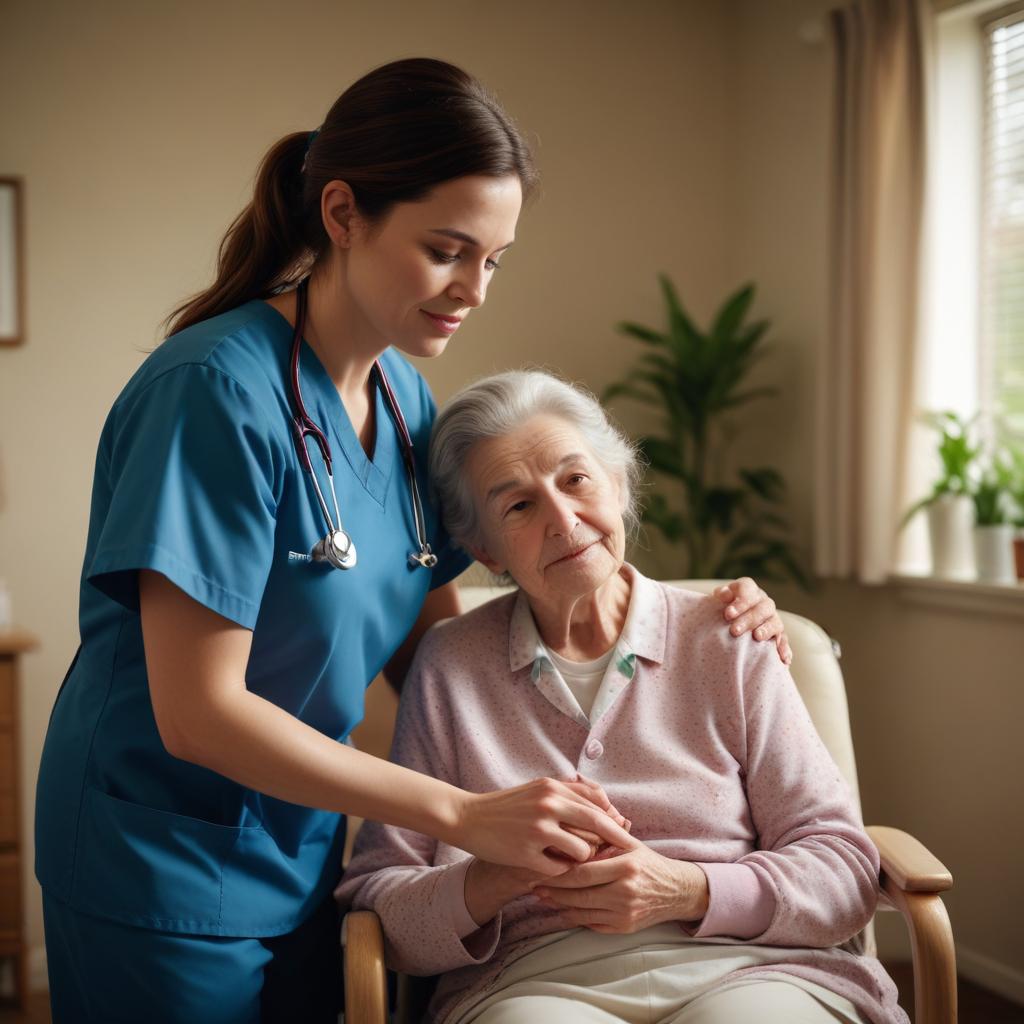
The National Disability Insurance Scheme (NDIS) is a revolutionary program in Australia, designed to provide support to individuals with disabilities, ensuring they can lead more independent and fulfilling lives. At the forefront of delivering these crucial services are community nurses, who play an essential role in providing tailored medical care directly in the homes of participants. In Melbourne, community nursing has become an indispensable component for many living with disabilities, facilitating a better quality of life through professional healthcare support.
Community nursing services under NDIS are comprehensive, addressing a range of medical and personal care needs. These nurses are highly trained professionals capable of managing complex health conditions while promoting the independence of their clients. The services they offer are as diverse as the clients they serve, including wound care, medication management, chronic disease management, and more. By administering these services directly in the participant’s home, community nursing minimizes disruption to the client’s lifestyle and provides a level of comfort that hospital environments cannot.
The mission of community nursing under the NDIS is not only to provide medical care but also to empower participants, enabling them to maintain control over their health and daily routines. This empowerment is achieved through a person-centered approach, taking into account the unique needs and circumstances of each participant. The cornerstone of community nursing is flexibility and adaptability, ensuring that each client receives care that is not only clinically effective but also personally meaningful.
Wound Care: A Vital Component of Community Nursing
Wound care is one of the critical services offered by community nurses in Melbourne. For individuals with disabilities, especially those with mobility impairments or chronic conditions like diabetes, the risk of wounds and their complications is significantly higher. Community nurses are experts in managing all types of wounds, from minor cuts to more severe conditions requiring ongoing care.
Effective wound care involves a comprehensive assessment and a customized care plan. Community nurses utilize advanced techniques and products to promote healing and prevent infection. They educate participants and their families on wound care strategies, empowering them to manage minor issues independently whenever possible. This education is crucial in preventing future complications and ensuring that participants do not need to make unnecessary hospital visits.
In addition to direct care, community nurses play a pivotal role in coordinating with other healthcare providers, ensuring a seamless care experience for the participant. They liaise with doctors, physiotherapists, and other specialists to ensure that wound care is integrated into the broader care plan of each individual. This holistic approach ensures that all aspects of the participant’s health are considered, reinforcing the interconnection between good wound care and overall health.
Medication Management: Enhancing Safety and Autonomy
Medication management is another crucial aspect of community nursing that significantly enhances the independence and safety of NDIS participants. Many individuals with disabilities require a complex regimen of medications, which can be difficult to manage without professional assistance. Community nurses provide expertise in managing these regimens, ensuring that medications are taken correctly and on time.
In Melbourne, community nurses conduct thorough assessments to understand each participant’s medical history and current medication needs. They then create personalized management plans, which might include organizing medications into blister packs, setting reminders, and monitoring for side effects. By streamlining medication routines, community nurses reduce the chances of missed doses or medication errors, which are common concerns for individuals who may have cognitive impairments or physical challenges.
Moreover, community nurses educate participants and their caregivers about the purpose and potential side effects of their medications, fostering a sense of understanding and control. This knowledge allows participants to recognize when something is amiss and seek help promptly. The support from nurses in medication management not only ensures safety but also builds confidence in participants, enabling them to live more independently without constant worry about their medication regimens.
Promoting Independence Through Holistic Care
Beyond wound care and medication management, community nursing under the NDIS provides a holistic approach to healthcare. Nurses assess not just the physical health of participants but also consider their mental and emotional well-being. They offer support and referrals for psychological services if needed, understanding that mental health is integral to overall independence and quality of life.
Community nurses partner with participants to set achievable health goals, offering motivation and strategies to accomplish these objectives. Whether it is improving mobility, managing weight, or enhancing social interactions, nurses play a crucial role in supporting lifestyle changes that promote long-term health benefits. This collaborative approach empowers participants, as they are actively involved in the planning and execution of their care strategies.
The role of community nurses extends into advocacy as well. They ensure that participants’ voices are heard in broader health and social care contexts, advocating for necessary resources and adjustments. By working closely with families and support networks, nurses help create an environment that is responsive to the changing needs of the participant, ensuring that support structures are solid and dependable.
Challenges and Future Prospects
While the current model of community nursing in Melbourne under the NDIS is robust, it is not without challenges. The diversity of needs among participants requires an extensive skill set and resources from nursing staff, and the demand for services often exceeds supply. However, through continuous professional development and technological integration, community nurses are well-equipped to adapt to these challenges.
One area of potential growth is the increased use of telehealth services. Telehealth offers a promising avenue to enhance the reach and efficiency of community nursing. By allowing nurses to conduct virtual consultations and monitor participants remotely, healthcare delivery can become more consistent and accessible. This could be particularly beneficial for those in more isolated areas of Melbourne or individuals with severe mobility limitations.
The future of community nursing under the NDIS also lies in its ability to integrate more personalized and innovative care solutions. As technology advances, so too will the ability of nurses to offer precision care tailored to the specific genetics, lifestyle, and environment of each participant. These innovations promise to make community nursing more responsive and attuned to the rapidly evolving healthcare landscape.
Conclusion: Community Nursing as a Pillar of Independence
In conclusion, community nursing in Melbourne plays a critical role in supporting the independence and improving the quality of life for NDIS participants. By providing essential services like wound care and medication management, community nurses not only address immediate health needs but also foster an environment where individuals can thrive autonomously. The commitment of these healthcare professionals to a holistic, person-centered approach ensures that each participant receives care that is truly in alignment with their unique circumstances.
As the NDIS continues to evolve, the role of community nurses will undoubtedly grow in importance. By continuing to innovate and adapt, these nurses will remain key figures in empowering those with disabilities to navigate their health journeys successfully. Their work stands as a testament to the power of compassionate, comprehensive care in creating a more inclusive and supportive society for all Australians.


