


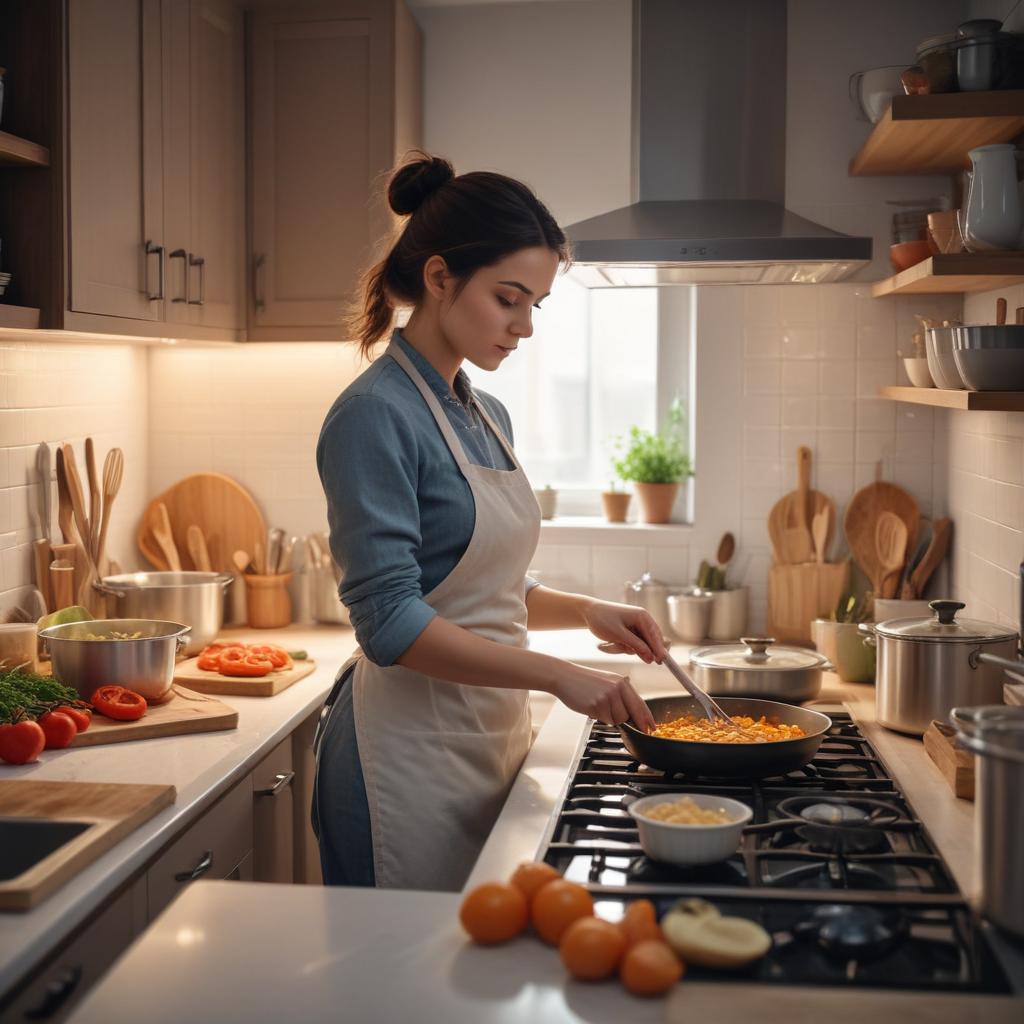


Cooking, Cleaning, Confidence: Daily Living Made Simple
Empowering Independence with the Help of NDIS – A Guide for Daily Living
The Importance of Daily Living Skills
Daily living skills are essential for fostering independence and improving the quality of life for people with disabilities. These skills encompass various activities such as cooking, cleaning, personal care, and budgeting. Developing and honing these skills can boost confidence and enable individuals to lead more autonomous lives.
For those living with disabilities, mastering daily living skills can open up new opportunities for engagement with the community and the workforce. It reduces reliance on others and encourages self-sufficiency, which is not just a matter of personal empowerment but also essential for dignified living. NDIS provides the necessary support and funding to facilitate the growth of these skills in participants.
The process of learning and applying daily living skills can also enhance cognitive functions and provide emotional satisfaction. When individuals can manage their living environments, they experience a sense of accomplishment and boost in self-esteem. This empowerment can positively impact other areas of their life, creating a ripple effect of confidence and capability.
Understanding the Role of NDIS in Support
The National Disability Insurance Scheme (NDIS) is an Australian government initiative designed to support people with disabilities by funding various services and assistance that they require to lead normal lives. One of the critical aspects of NDIS support is assisting with daily living activities. This includes funding for support workers, occupational therapy, and skill-building activities.
Through the NDIS, individuals receive personalized plans tailored to their unique needs and goals. These plans are developed during consultations with NDIS planners and involve assessing the participant’s current abilities and areas where they require support. It ensures that every individual receives a structured path to gaining independence in their daily activities.
NDIS also provides access to resources such as infrastructure, tools, and technology that can simplify daily tasks. From specialized kitchen gadgets for cooking to mobility aids that assist in cleaning efforts, the NDIS facilitates better access to innovations that enhance daily living. This holistic approach not only addresses immediate needs but also encourages long-term development and independence.
Cooking with Confidence: Developing Culinary Skills
Cooking is not just about preparing meals; it’s an essential life skill that fosters creativity, independence, and nutritional awareness. For individuals with disabilities, the NDIS offers support for developing culinary skills through hands-on training sessions, cooking classes, and one-on-one guidance provided by skilled professionals.
These programs often involve teaching participants how to plan meals, source ingredients, and safely use kitchen appliances. Adaptive cooking tools and techniques tailored for particular disabilities are introduced to ensure safety and ease in the culinary process. Being able to prepare one’s meals can significantly boost self-esteem and encourage healthier eating habits.
Moreover, cooking teaches problem-solving skills and patience, which are beneficial beyond the kitchen. Activities range from simple, microwave-based recipes to more complex meal preparations, gradually increasing with the participant’s confidence. By mastering these skills, individuals feel a sense of independence and accomplishment, knowing they are contributing essential skills to their independence.
Cleaning: Maintaining an Organized and Safe Living Environment
Keeping a clean and organized home is important for creating a safe and healthy living environment. For many people with disabilities, cleaning can pose challenges, but with the right guidance and tools provided by NDIS, it becomes manageable. The organization assists participants in developing cleaning routines that are both efficient and adaptable to individual capabilities.
NDIS-funded support workers play a crucial role in demonstrating effective cleaning techniques and routines that help maintain hygiene and orderliness within the home. Technology and adapted tools, such as robotic vacuum cleaners or reach extenders, can facilitate cleaning efforts, minimizing physical strain and maximizing efficiency.
An orderly home environment not only improves safety by reducing hazards but also contributes positively to mental health. A clutter-free space can be comforting and reduce stress levels, allowing participants to enjoy their surroundings fully. By learning to manage their cleaning tasks, individuals can take pride in their living spaces and embody independence in their everyday lives.
Building Confidence Through Skill Development
Skill development is at the heart of building confidence and independence for NDIS participants. By focusing on individual strengths and providing personalized learning plans, NDIS helps participants reach their potential. The sense of achievement in mastering new tasks can significantly improve confidence levels.
Confidence building is a gradual process, taking landscapes like social interactions, problem-solving, and decision-making into account. Support networks under NDIS emphasize positive reinforcement and celebrate small milestones, which can have a profound impact on participants’ perspectives towards their abilities.
Learning and achieving competence in daily living skills prepares individuals for greater community participation and can enhance possibilities for employment. Each skill learned lays the groundwork for more complicated tasks, instilling a belief in one’s capacities that extend beyond the realm of daily chores and into career and other life goals.
Conclusion
Living independently can appear daunting, but with the support of the NDIS, it becomes an achievable reality. By focusing on essential skills such as cooking and cleaning while concurrently boosting confidence through structured guidance, NDIS empowers individuals with disabilities to lead fulfilling and self-reliant lives.
The scheme demonstrates an investment in potential by providing the resources and support required to transform abilities and independence. Through commitment and collaboration, NDIS enables participants not only to manage their day-to-day activities but to prosper and embrace all avenues of life.
Ultimately, the work NDIS does in simplifying daily living underscores a profound respect for every individual’s right to live a dignified life. With continuous support, new skills become the cornerstone of enhanced self-sufficiency, enabling participants to embrace every opportunity the world offers with courage and assurance.


