


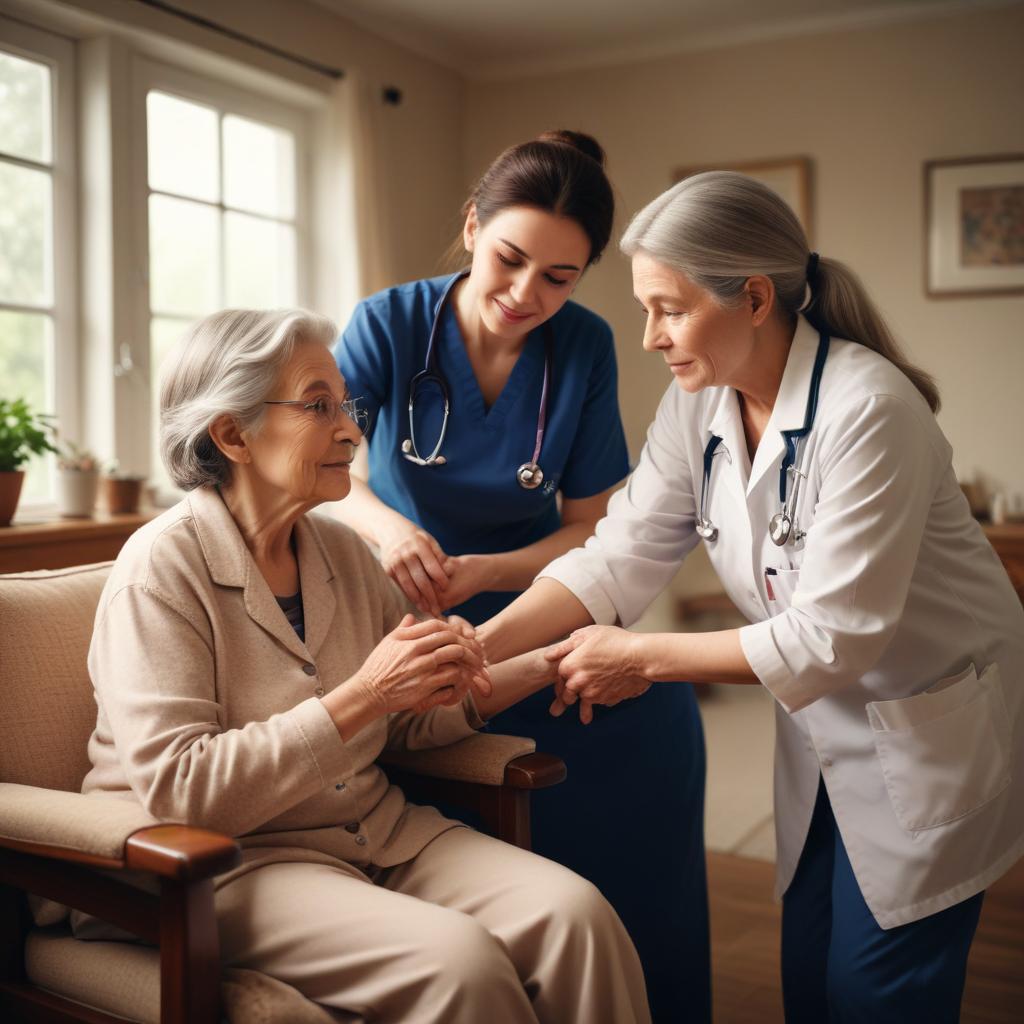


Empowering Independence: How Community Nursing Enhances Everyday Life
Introduction to Community Nursing
Community nursing plays a vital role in healthcare by bringing medical expertise out of hospitals and into the local community. This field of nursing is dedicated to helping individuals in their homes and community settings, focusing on preventive care, health education, and chronic disease management. Unlike traditional nursing roles confined to a hospital environment, community nurses work across various settings, including schools, clinics, and private homes, to provide continuous care.
The scope of community nursing is extensive, targeting diverse groups such as children, the elderly, and people with disabilities. These nurses are integral in bridging the gap between patients and the larger healthcare system, often acting as liaisons with other healthcare professionals. They offer compassionate, patient-centered care tailored to meet the unique needs of each individual, enhancing overall life quality and independence.
Community nursing is pivotal in cultivating an understanding of health within the societal framework. These nurses play an essential role in facilitating access to healthcare resources, educating communities about disease prevention, and supporting patients in managing their health conditions effectively.
Understanding the NDIS and Its Objectives
The National Disability Insurance Scheme (NDIS) is an Australian initiative designed to provide support to Australians with a disability, their families, and carers. Its primary objective is to offer individuals more control over their lives by providing tailored, needs-based support packages aimed at improving their quality of life and increasing their independence.
The NDIS emphasizes the need for a personalized approach to support, allowing recipients to choose the services that best meet their individual needs and aspirations. By doing this, the NDIS empowers participants to pursue their goals, whether they pertain to increased independence, community involvement, education, or employment.
This scheme represents a significant shift from previous support models, providing long-term, sustained assistance rather than temporary or conditional aid. The overarching goal of the NDIS is to integrate individuals with disabilities more fully into society, promoting equal opportunities and inclusivity across various aspects of daily living.
The Role of Community Nursing Within the NDIS Framework
Within the framework of the NDIS, community nursing is crucial in delivering personalized care that aligns with the scheme’s objectives. Nurses in this area are adept at crafting and implementing care plans that prioritize the individual needs of NDIS participants. Their clinical expertise and understanding of community health dynamics make them well-suited to coordinate comprehensive care strategies.
Community nurses assist NDIS participants by conducting thorough health assessments, monitoring chronic conditions, and delivering clinical care, including wound management, medication administration, and other specialized health services. These practitioners ensure that care is seamlessly integrated into the daily lives of participants, fostering a sense of autonomy and confidence.
Moreover, community nurses act as advocates for NDIS participants, helping them navigate the often-complex healthcare system. They provide informational support to participants and their families to understand NDIS services and maximize the benefits available. By doing so, they enhance the capability of individuals to manage their health and pursue their goals, reinforcing the core mission of the NDIS.
Benefits of Community Nursing for NDIS Participants
Community nursing offers numerous benefits to NDIS participants, chiefly among them is the increased independence and quality of life. The personalized care plans developed by community nurses enable participants to manage their health conditions more effectively, reducing dependency on institutional care settings and fostering a higher level of self-sufficiency.
By addressing the unique healthcare needs of individuals, community nurses help reduce the frequency and duration of hospital admissions, which not only benefits the patient but also eases the burden on the healthcare system. This preventative and immediate response to healthcare needs significantly enhances the everyday life of participants by prioritizing their comfort and convenience.
Community nursing also empowers NDIS participants by fostering greater engagement in their communities. These nurses offer education and support to help individuals partake in social, educational, and occupational activities, thereby promoting a stronger sense of community belonging and personal achievement. As a result, participants often experience improved mental health outcomes and increased life satisfaction.
Case Studies: Real-Life Impacts of Community Nursing
Consider Sarah, a 27-year-old woman living with cerebral palsy. Through the NDIS, Sarah received the support of a community nurse, who worked closely with her to manage her physical health and mobility constraints. With tailored exercises, medication plans, and dietary guidance, Sarah was not only able to improve her physical condition but also gained the confidence to enroll in a local art class, fulfilling a long-held passion.
Then there’s John, a retired teacher diagnosed with diabetes. His community nurse regularly visits him at home to monitor his blood sugar levels, provide dietary advice, and administer insulin when necessary. Thanks to these interventions, John’s condition is well-managed, preventing frequent hospital visits which he previously needed. This stability has allowed him to maintain his active role in the local volunteer teaching program, contributing significantly to his community.
These real-life case studies illustrate how community nursing within the NDIS framework profoundly impacts individuals’ lives. By providing comprehensive, compassionate care, community nurses enable participants to pursue personal goals, enhance social connections, and achieve a fulfilling lifestyle.
Conclusion: The Future of Community Nursing in Supporting Independence
Looking ahead, community nursing is poised to play an even more integral role in supporting independence among those living with disabilities in Australia. As the demands on healthcare systems grow, the adaptability and client-centered approach of community nursing will be crucial in delivering efficient and personalized care.
The ongoing evolution of technology and digital health tools presents exciting opportunities for community nursing. These innovations are expected to further enhance the reach and effectiveness of nursing services, providing real-time health monitoring, telehealth consultations, and more strategic health interventions.
Ultimately, community nursing will continue to solidify its role as a pillar of support within the NDIS and the broader healthcare system. By empowering individuals to lead independent and fulfilling lives, community nurses not only uphold the principles of compassionate care but also contribute to healthier, more resilient communities.


